
Our wonderful flat-bottomed girls: welcome to the show Jane Gifford and Ted Ashby
This year we are delighted that not only will the NZ Maritime Museum’s Ted Ashby be out and about during the festival, the Jane Gifford will also travel down from her home base in Warkworth to take part. What are scows and why do we see so much about them in stories about New Zealand in the second half of the 1800s?
In the late 1800s, scows arrived on the scene and changed how and where boat building happened.
While the scow’s predecessor, the coastal trader, was the sports car, fast and nimble, scows were the work horse tractor. Coastal traders would take boat builders to where the timber was to build boats. Scows took timber to places like what is now the waterfront of Auckland’s CBD, so that wooden boats could be built in centralised locations.
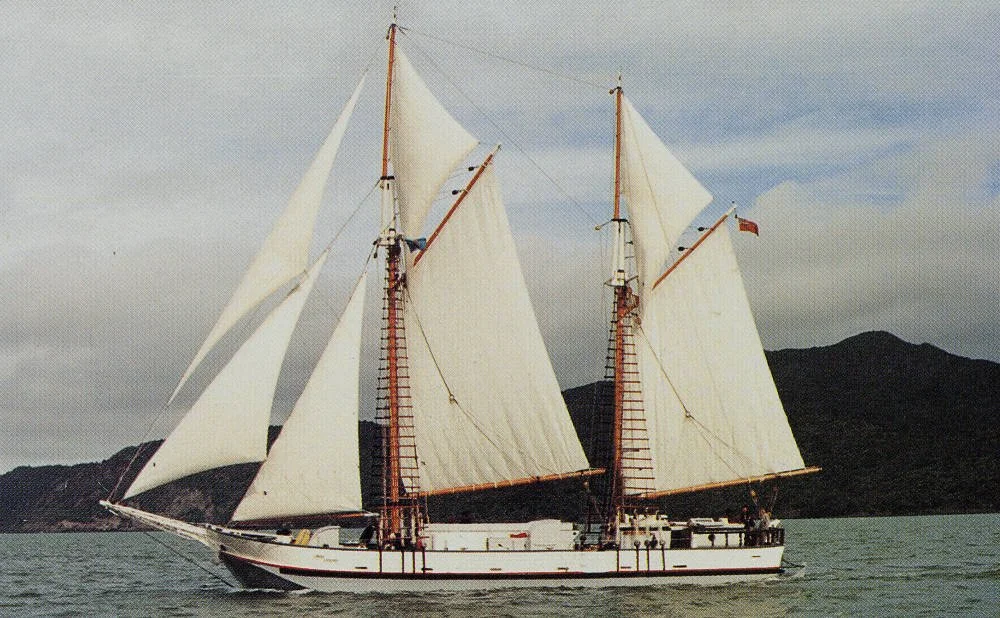
The Jane Gifford will be in Jellicoe Harbour for the 2026 Auckland Wooden Boat Festival and all visitors are welcome onboard. Photo / Courtesy Bill Deed andAuckland Libraries Heritage Collections Footprints 03064
Few vessels are as closely woven into New Zealand’s early coastal identity as the scow. Purpose-built for the practical demands of new and growing country, the New Zealand scow evolved as a strong, shallow-drafted boat and perfectly suited to the complex network of harbours, shallow inlets, and river mouths that shaped the country’s economy in the early years of Tāmaki Makaurau’s settlement.
Developed from European and American scow designs but refined for local conditions, the New Zealand scow first appeared in the late 1800s. Their: flat-bottomed hulls allowed them to slide over shifting sandbars; leeboards replaced deep keels; and wide decks provided generous cargo space.
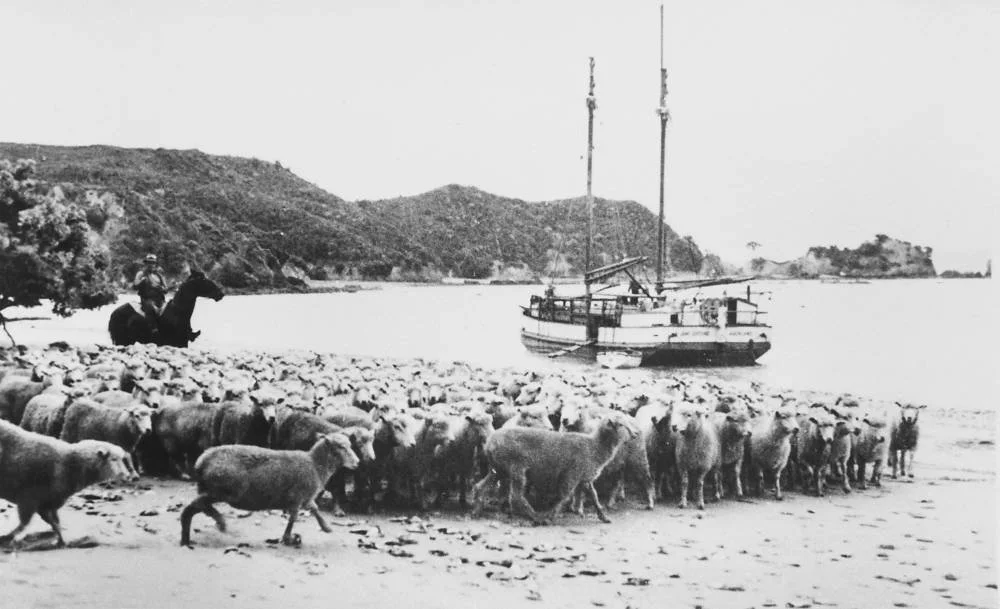
The scow Jane Gifford moored near Orere Point, 1936. Photograph reproduced by courtesy of Kawakawa Bay Historical Society. With thanks to the Auckland Libraries Heritage Collections Footprints 00006
At a time when roads were limited and rail lines still expanding, scows became essential links in the economic chain. They could venture into places no other boat could go, and carried kauri logs and milled timber from Northland forests, carted stone and sand for the building industry, transported gumdiggers’ supplies, and delivered farm produce to market.
Many would beach at low tide to load and unload directly from the shoreline before floating off again with the next tide.
By the early 20th century, dozens of scows operated around the Hauraki Gulf and along the Northland coast.
Although they eventually gave way to modern shipping and road transport, scows remain icons of New Zealand’s maritime heritage. Restored vessels like the Jane Gifford, Success, Alma and the Ted Ashby keep their legacy alive, reminding us how these functional craft helped build Aotearoa New Zealand as we know it.
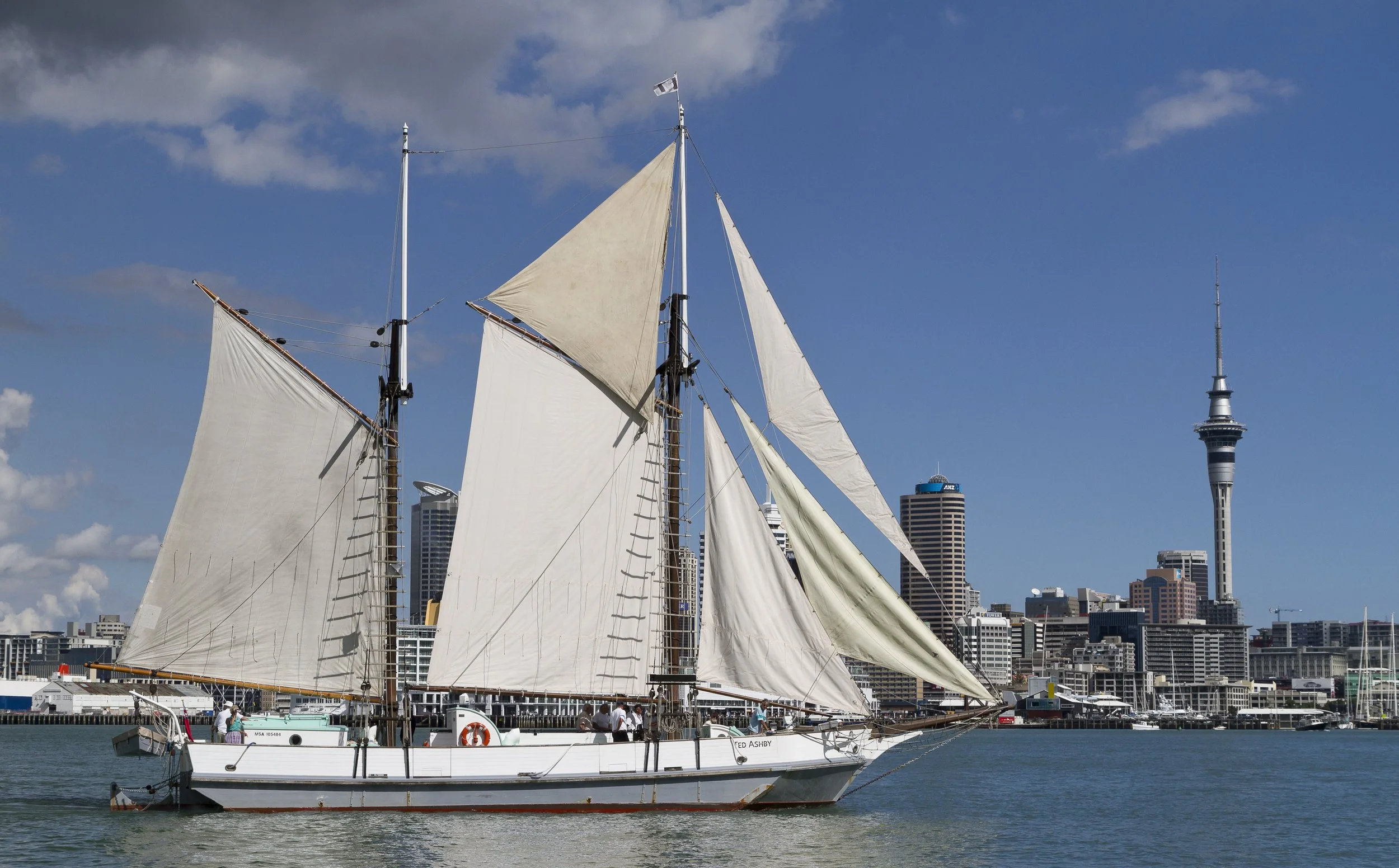
The famous Ted Ashby is named after the ultimate scowman and makes her home at the New Zealand Maritime Museum Learn more about this boat